

Contact
Header IPS Implants® Forearm Reconstruction

Upper Extremity Portfolio

IPS® Forearm Reconstruction

In some cases, malunions can occur following forearm fracture treatments. This can lead to reduced strength, pain and decreased mobility. Similar limitations can be seen in congenital malposition cases.

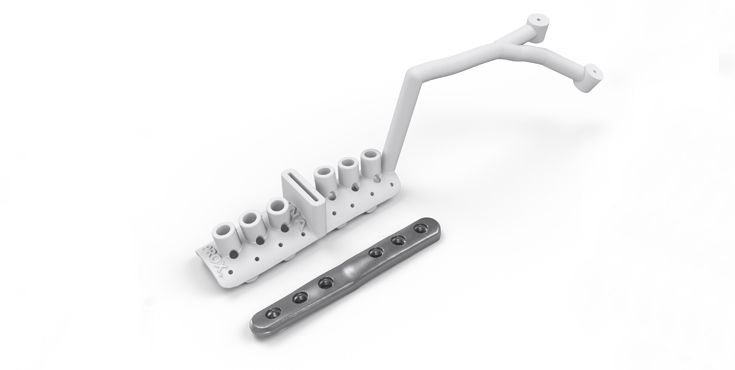
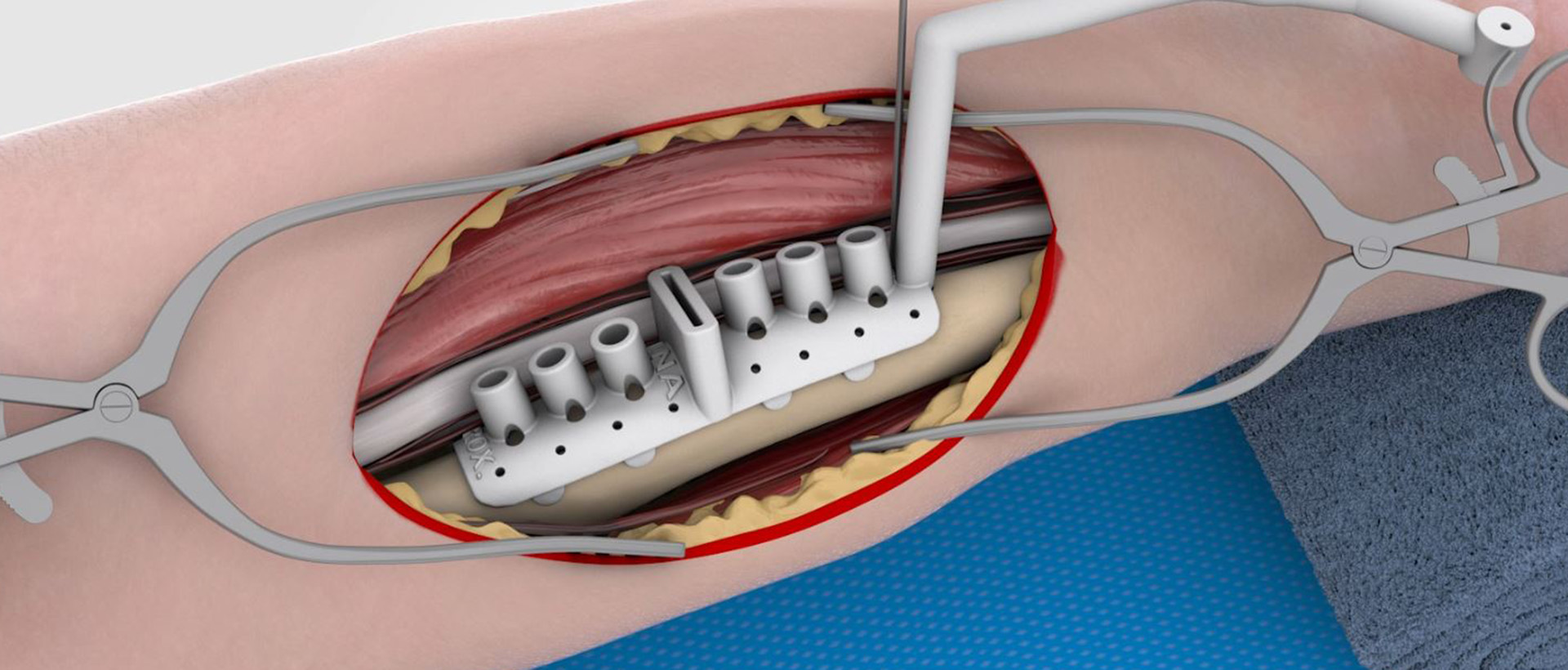
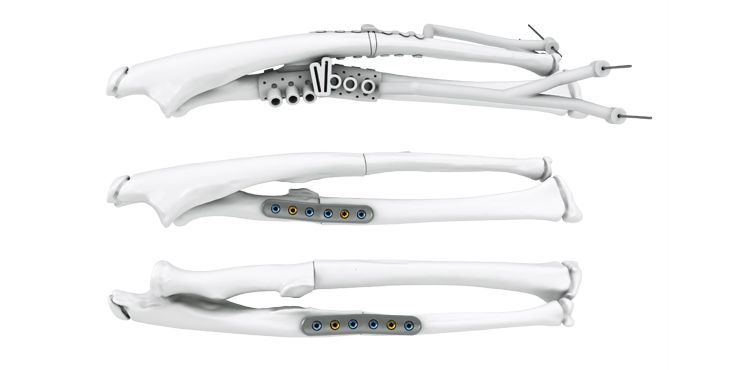
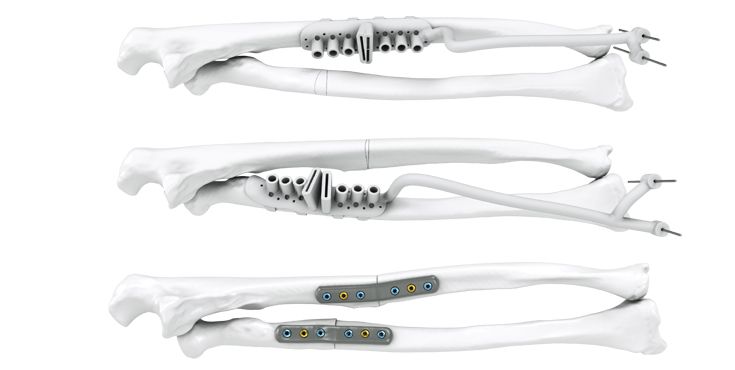
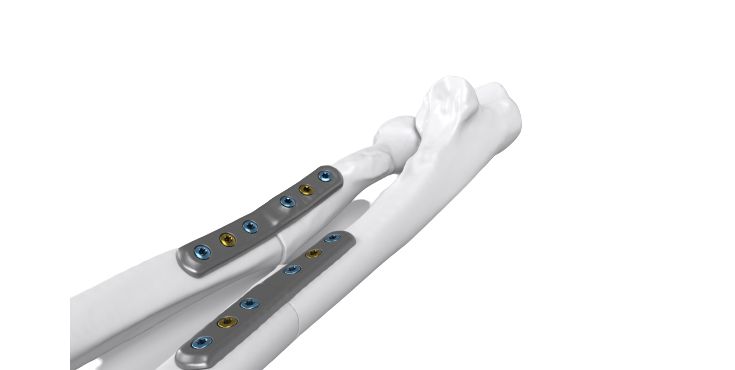
In addition to standard fracture and reconstruction plates, KLS Martin offers patient-specific solutions for radial and ulnar reconstruction. Anatomical drilling and marking guides facilitate precision of the corrective osteotomy. Patient specific titanium implants help to maintain or achieve anatomic alignment, and facilitate proper healing after the corrective osteotomy. The plates are fixed by smartDrive standard and locking screws, with minimal instrumentation required for implantation.
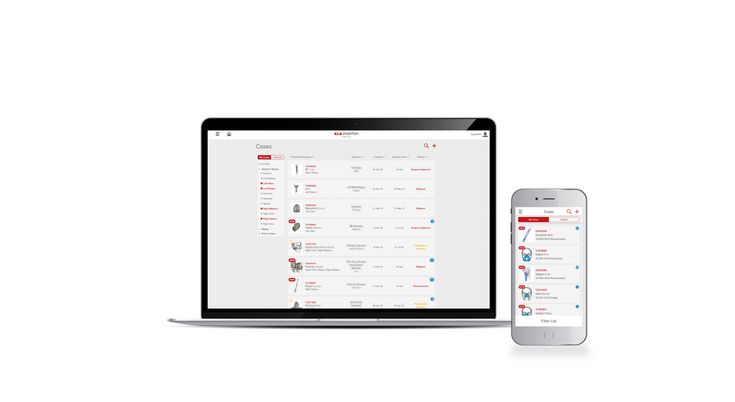
 

IPS® Gate simplifies the planning and design process through a streamlined workflow from data upload to delivery. Interactive chat functions with KLS engineers and case status visibility provide the user with a flexible and efficient experience.

Patient specific implants are designed based on individual CT data. Advanced production methods allow for implant designs that are unique to each patient’s specific needs.

Patient specific models, drill and marking guides, and implants bring the virtual planning to life. The models serve as a visual aid, while the guides help to translate the plan to the patient anatomy with final alignment ensured by the patient specific plate.

Areas of treatment

IPS® Radius Reconstruction

  • Correction osteotomies of the radius and/or ulna

Surgical technique

IPS® Forearm Reconstruction | patient-specific implants for forearm reconstruction

IPS Implants® Forearm Reconstruction | patient-specific implants for forearm reconstruction
By loading the video, you accept YouTube's privacy policy. To play, accept YouTube cookies.

Case examples

Case study 1

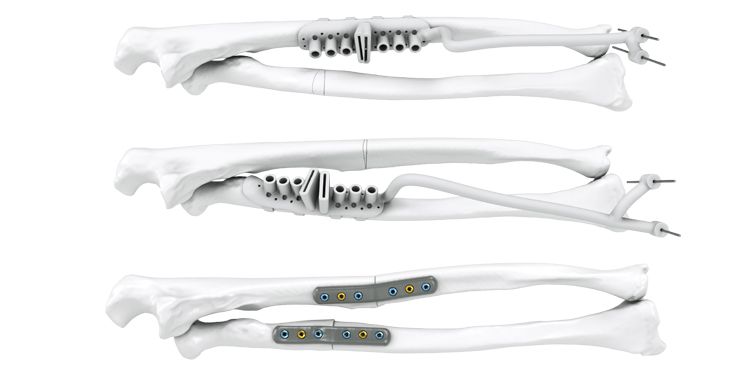
Treatment of a radius and ulna malunion with a forearm reconstruction. Resections and rotational changes were required on both bones.

Case study 2

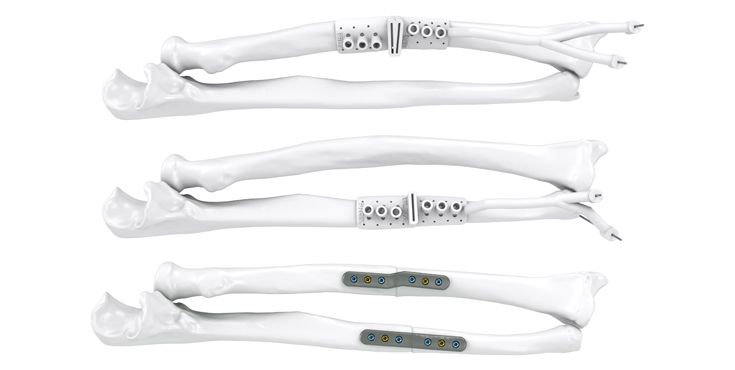
Treatment of a radius and ulna malunion with a forearm reconstruction. The radius required the resection of a 1.8 mm-wedge of bone.

Case study 3

Treatment of a radius-ulna-synostosis with a forearm reconstruction including resections and rotational changes of both bones.

Case study 4

Treatment of a radius with a forearm reconstruction including a gap of 36 mm. The defect was grafted with a wedge shaped bone segment and fi xed to the plate using one smartDrive® screw.

This site uses third party website-tracking-technologies to provide their services. I agree and can revoke or change my consent at any time with future effect.

Refuse Settings Accept ImprintPrivacy policy