

Contact
Header IPS inSilico®


Individual Patient Solutions

IPS inSilico®

The use of innovative technologies opens up new options in patient-specific treatment. State-of-the-art simulation technologies permit us to offer aids for optimized diagnosis and therapy.

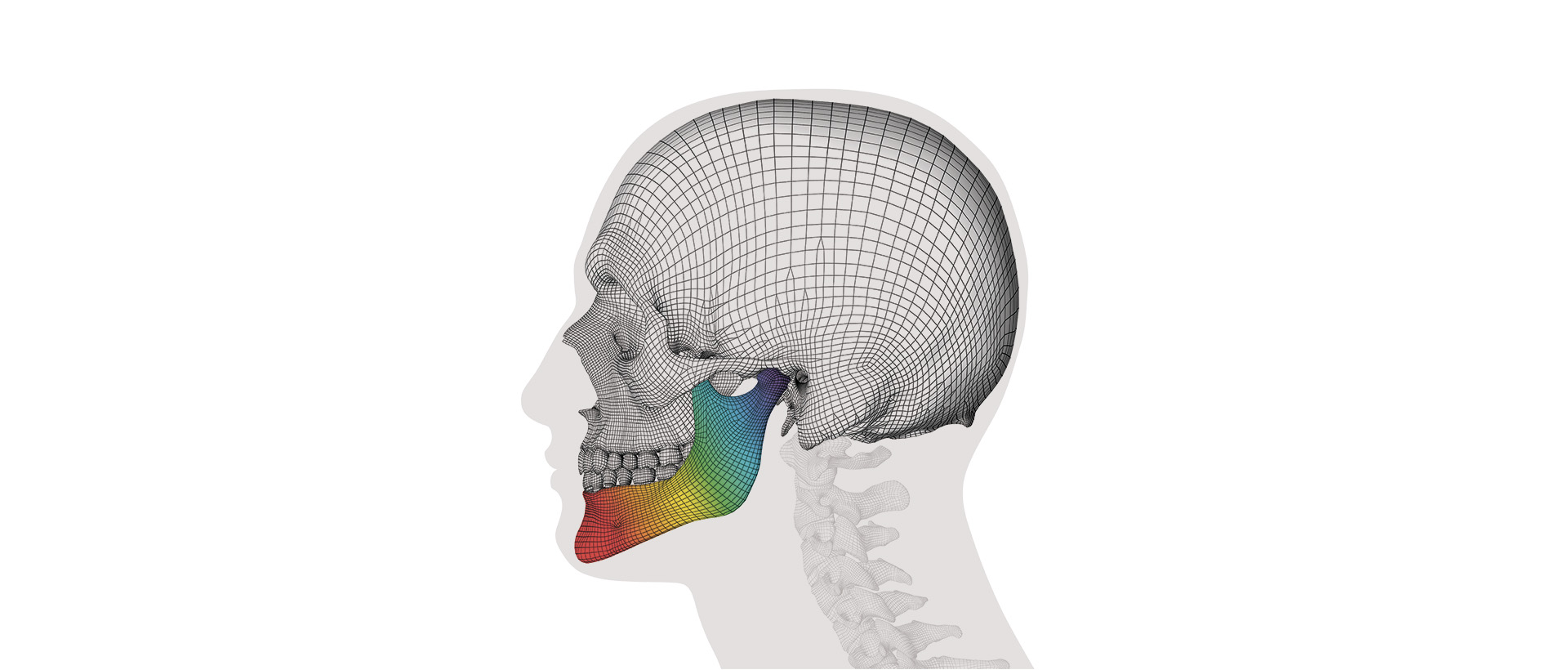
With IPS inSilico® we enable solutions for the computer-based simulation of surgical procedures, supporting diagnosis and therapy planning as well as the virtual testing of our implants. Aided by simulations, we are creating a world here in which we can make diagnoses and predict the success of therapies. In this process, we apply technologies that have been standard in other industries for decades.
IPS inSilico®

IPS inSilico® Video
By loading the video, you accept YouTube's privacy policy. To play, accept YouTube cookies.

Simulation solutions

IPS inSilico® x OSA 

IPS inSilico® x OSA 

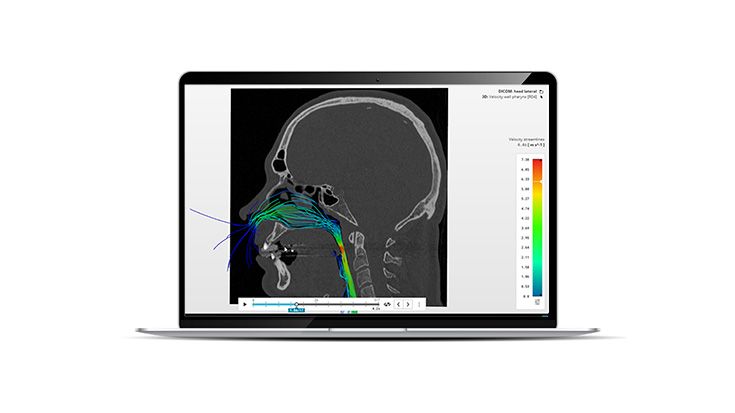
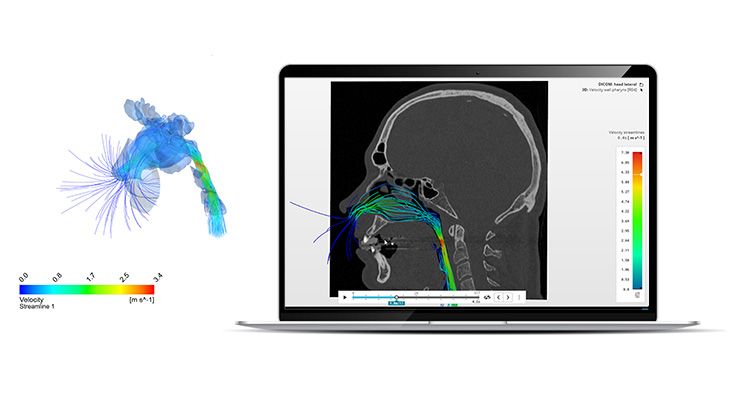
IPS inSilico® x OSA is a web-based application that helps you diagnose OSA patients and select the best possible therapy.

More about IPS inSilico® x OSA

Simulation supports the decision-making process in patients with obstructive sleep apnea

IPS inSilico® x OSA Video

Indication and features

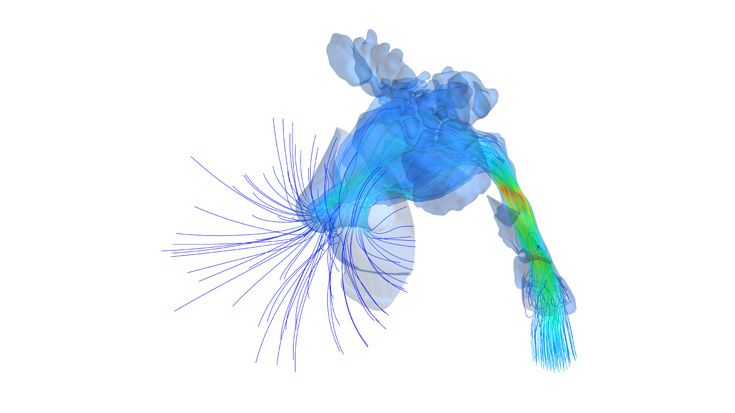
Worldwide, obstructive sleep apnea affects more than 900 million adults. We offer an application developed in cooperation with Simq that supports the diagnosis of severe snoring and OSA as well as the selection of an appropriate therapy. With the aid of a flow simulation of patient-specific airways, we enable you to localize anatomical causes and support you in deciding the best possible therapeutic measures individually for each patient.

IPS inSilico® x OSA

Benefits

  • Objectivation of the diagnosis through numerical simulation of the airflow in the pharyngeal cavity
  • Identification and localization of the anatomical causes of the sleep-related breathing disorder
  • Visualization of the patient situation through physical simulation
  • Evaluation and support of the various treatment options

IPS inSilico® x OSA

IPS inSilico® x OSA Video
By loading the video, you accept YouTube's privacy policy. To play, accept YouTube cookies.

Publications

Pugachev, A., M. Arnold, S. Burgmann, U. Janoske, Á. Bicsák, D. Abel, J. Linssen, and L. Bonitz. 2020. Application of patient-specific simulation workflow for obstructive sleep apnea diagnosis and treatment with a mandibular advancement device. International Journal for Numerical Methods in Biomedical Engineering 36 (8). https://doi.org/10.1002/cnm.3350

Arnold M., S. Burgmanna, L. Bonitz, A. Pugachevc, and U. Janoske. 2021. Experimental study on the influence of model variations on the airway occlusion of an obstructive sleep apnea patient. Journal of Biomechanics 123. https://doi.org/10.1016/j.jbiomech.2021.110529 

IPS inSilico® x VIT

IPS inSilico® x VIT

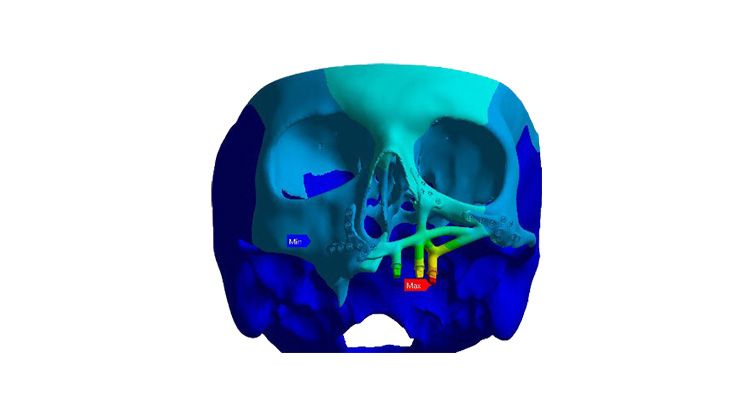
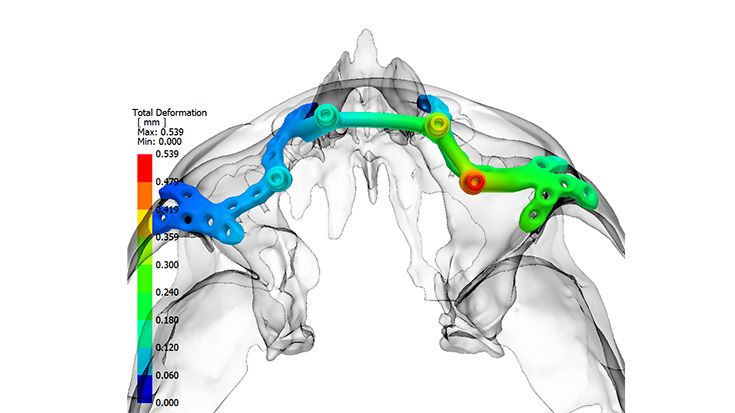
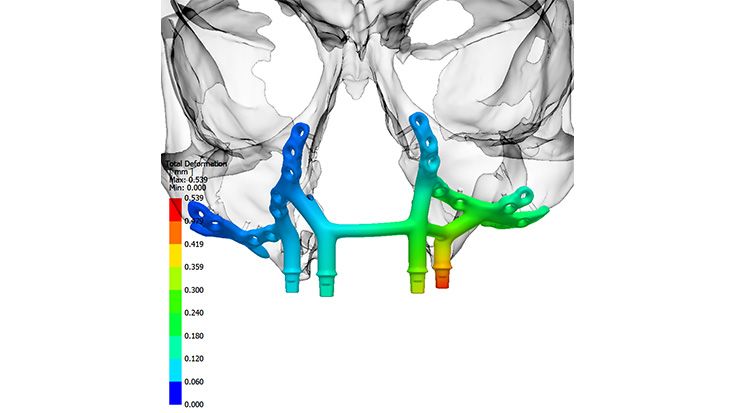
IPS inSilico® x VIT is a software for the digital verification of patient-specific implants. By simulating physiological or standardized exposures to a patient-specific situation, we can quickly and efficiently verify the performance and safety of your IPS® implant.


More about IPS inSilico® x VIT

Virtual implant check for the digital verification of patient-specific implants

IPS inSilico® x VIT Video
By loading the video, you accept YouTube's privacy policy. To play, accept YouTube cookies.
IPS inSilico® x VIT

Function and features

Standard implants follow a standardized, tested and documented approval procedure. The challenge facing patient-specific implants is to meet all regulatory requirements on the one hand and on the other hand, together with you, to design, test, manufacture and provide you with a suitable implant for the restoration in the shortest possible time. The IPS inSilico® x VIT design tool provides assistance in verifying the strength and safety of patient-specific implants.

IPS inSilico® x VIT

Benefits

With IPS inSilico® x VIT, we can incorporate safety-relevant information into the design and, with just a few clicks, compare it against physically tested implant variants. By doing so, we accomplish the balancing act between complying with regulatory requirements and providing your patients with the fastest possible care.

  • Support for decision making in the design process
  • Representation of the loads and forces acting on the individual implant restoration
  • Identifying weaknesses in the implant design
  • Option to review specific clinical requirements for the implant design

Already implemented anatomical regions

IPS inSilico® x VIT

IPS inSilico® x VIT Video
By loading the video, you accept YouTube's privacy policy. To play, accept YouTube cookies.

Publications

De Zee, M., M. Dalstra, PM. Cattaneo, J. Rasmussen, P. Svensson, and B. Melsena. 2007. Validation of a musculo-skeletal model of the mandible and its application to mandibular distraction osteogenesis. Journal of Biomechanics 40 (6). https://doi.org/10.1016/j.jbiomech.2006.06.024

Ignasiaka D., S. Dendorfer, and SJ.Ferguson. 2016. Thoracolumbar spine model with articulated ribcage for the prediction of dynamic spinal loading. Journal of Biomechanics 49 (6). https://doi.org/10.1016/j.jbiomech.2015.10.010

Terms and Definitions

What is a digital twin?

The so-called digital twin is an exciting new technology trend that could revolutionize healthcare. In simple terms, a digital twin is the digital replica of a physical object.

In healthcare, a digital twin relating to a patient can be defined as one or more computational models which are a dynamic digital representation of a real biological target ("artifact") or aspect of a person's physical condition.

What does in silico mean?

In silico describes the change in medicine and is regarded as the next stage of evolution: from in vivo, experiments in the human body, to in vitro, in the test tube, and now in silico - where experiments are conducted in silicon, i.e. on the computer.

Medical software

The term medical software refers to software solutions applied in the field of medicine. In medical software, one differentiates between embedded software and stand-alone software.

Embedded software is an integral part of an existing medical device. Stand-alone software is a medical device in its own right. A third option is the software as an accessory of a medical device.

Medical simulation

When using the term medical simulation we mean the simulation of complex biomechanical and physiological processes with the aim of supporting medical interventions.

Finite Element Method (FEM)

The finite element method is a numerical method that is applied to a solving a wide range of physical problems. In this method, complex geometries are broken down into many small geometries which are easy to calculate. These geometries are then calculated and linked together. FEM can, for example, be used to calculate and simulate various characteristics such as deformations.

Check out more news about our products on our social media channels

Learn more

This site uses third party website-tracking-technologies to provide their services. I agree and can revoke or change my consent at any time with future effect.

Refuse Settings Accept ImprintPrivacy policy